Would you like to switch to the accessible version of this site?

Go to accessible site Close modal window

Don't need the accessible version of this site?

Hide the accessibility button Close modal window
Accessibility View Close toolbar
  • Home
  • New Patient Center
    • Online Forms
  • Eyecare Services
    • Contact Lens Exams
    • Eye & Vision Exams
    • Lasik Eye Surgery
  • Frame Selection
  • Insurance & Payments
  • About Us
    • Meet The Optometrists
    • Meet The Staff
  • Contact Us
  • Whats New
  • Community Content
    • Common Eye Conditions
      • Age-Related
      • Cognitive and Acquired
      • Vision Impairment
      • Injury & Irritation
      • Eye Lids
      • Changes in Appearance
    • Contact Lenses
    • Eye Diseases
    • Eyeglasses
      • Eyeglass Lenses
    • Eye Symptoms
    • How the Eyes Work
      • Basic Visual Skills
    • Pediatric Vision
    • Protecting Your Eyes
    • Visual Rehabilitation
    • Vision Problems
    • What is Vision Therapy
    • Vision Therapy Programs
    • We Can Help With
      • Cataracts
      • Corneal Disorders
        • Disorders
      • Glaucoma
      • Refractive Disorders
      • Adult Strabismus
      • Retinal Disorders
    • Newsletters
      • Glasses & Frames
      • Contacts
      • Tips for Healthy Eyes
      • Conditions That Affect Vision
      • Kid's Vision
      • Amazing, Interesting Eyes
      • Medical Perspectives
Enfield Eye Care Associates

(860) 749-0757

Menu
No social media links found. Please configure it

(860) 749-0757

CALL (860) 749-0757 TO MAKE AN APPOINTMENT.

Fill out the form below to sign up for our email list.

Error!

    • Home >
    • Articles >
    • Eyeglasses >
    • Frequently Asked Questions

    Frequently Asked Questions

    • Created in Eyeglasses

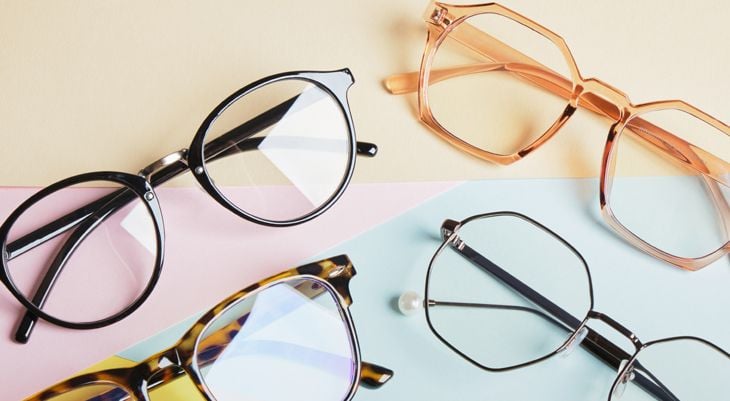
    multiple eyeglasses

    Why do I need to see an eye care provider?

    Many “silent” diseases, such as glaucoma and diabetes, can only be detected through regular eye exams. When these conditions are discovered earlier rather than later, they become easier to treat or manage, allowing for better long-term preservation of eyesight.

    In addition, reading glasses from the drugstore often do not work well because most people have astigmatism and/or different prescriptions in each eye. As a result, many of these individuals experience persistent eye fatigue and headaches. Forgoing the eye exam also sacrifices the opportunity to screen for treatable diseases, as mentioned above.

    How often do I need to get new eye glasses?

    This depends on a number of personal factors, such as changing needs, tastes or lifestyle, but you should visit your eye doctor at least once each year. If you notice problems with vision or headaches, then it’s best to consult your doctor right away for a full evaluation and new glasses, if needed.

    How can I tell if I need bifocals?

    Bifocals and progressive lenses are most often prescribed for presbyopia in those over age 40 and for individuals who have trouble seeing clearly both at a distance and when reading. Bifocals can also help a person who over-crosses his or her eyes when viewing close objects. An eye exam with a qualified eye doctor can assist you with determining whether bifocals are right for you.

    Instead of bifocals, can I use progressive lenses and choose a smaller eye glass frame?

    Yes. Progressive lenses offer more precision in your viewing range within a smaller lens diameter. However, some frames are too small for a proper fit; a trained optician can work with you to find a frame that is sized correctly for both your lens and your face shape.

    Why are the lenses so thick?

    The final lens thickness depends on the strength of your prescription, the size of your frame, and your personal measurements. Fortunately, recent innovations in lens designs and materials have made lenses thinner by up to 60% in some cases. If lens thickness is a concern for you, notify the optometry staff member; he or she will help you select a frame and lens that allow you to use a thinner lens.

    Will I have to wear eye glasses forever?

    Unfortunately, you probably will unless you elect to use contact lenses or corrective laser eye surgery. The great news is that there are lens and surgical advancements in optometry everyday.

    • Common Eye Conditions
      • Age-Related
      • Cognitive and Acquired
      • Vision Impairment
      • Injury & Irritation
      • Eye Lids
      • Changes in Appearance
    • Contact Lenses
    • Eye Diseases
    • Eyeglasses
      • Eyeglass Lenses
    • Eye Symptoms
    • How the Eyes Work
      • Basic Visual Skills
    • Pediatric Vision
    • Protecting Your Eyes
    • Visual Rehabilitation
    • Vision Problems
    • What is Vision Therapy
    • Vision Therapy Programs
    • We Can Help With
      • Cataracts
      • Corneal Disorders
        • Disorders
      • Glaucoma
      • Refractive Disorders
      • Adult Strabismus
      • Retinal Disorders
    • Newsletters
      • Glasses & Frames
      • Contacts
      • Tips for Healthy Eyes
      • Conditions That Affect Vision
      • Kid's Vision
      • Amazing, Interesting Eyes
      • Medical Perspectives

    Hours of Operation

    Our Regular Schedule - By appointment only due ot COVID-19

    Monday:

    By Appointment Only

    8:00 AM-7:00 PM

    Tuesday:

    By Appointment Only

    8:00 AM-6:00 PM

    Wednesday:

    By Appointment Only

    8:00 AM-6:00 PM

    Thursday:

    By Appointment Only

    8:00 AM-6:00 PM

    Friday:

    By Appointment Only

    8:00 AM-2:00 PM

    Saturday:

    By Appointment Only

    8:00 AM-2:00 PM

    Sunday:

    Closed

    Location

    Find us on the map

    • Copyright © 2026 MH Sub I, LLC dba iMatrix.
    • Admin Log In
    • Site Map