Would you like to switch to the accessible version of this site?

Go to accessible site Close modal window

Don't need the accessible version of this site?

Hide the accessibility button Close modal window
Accessibility View Close toolbar
  • Home
  • New Patient Center
    • Online Forms
  • Eyecare Services
    • Contact Lens Exams
    • Eye & Vision Exams
    • Lasik Eye Surgery
  • Frame Selection
  • Insurance & Payments
  • About Us
    • Meet The Optometrists
    • Meet The Staff
  • Contact Us
  • Whats New
  • Community Content
    • Common Eye Conditions
      • Age-Related
      • Cognitive and Acquired
      • Vision Impairment
      • Injury & Irritation
      • Eye Lids
      • Changes in Appearance
    • Contact Lenses
    • Eye Diseases
    • Eyeglasses
      • Eyeglass Lenses
    • Eye Symptoms
    • How the Eyes Work
      • Basic Visual Skills
    • Pediatric Vision
    • Protecting Your Eyes
    • Visual Rehabilitation
    • Vision Problems
    • What is Vision Therapy
    • Vision Therapy Programs
    • We Can Help With
      • Cataracts
      • Corneal Disorders
        • Disorders
      • Glaucoma
      • Refractive Disorders
      • Adult Strabismus
      • Retinal Disorders
    • Newsletters
      • Glasses & Frames
      • Contacts
      • Tips for Healthy Eyes
      • Conditions That Affect Vision
      • Kid's Vision
      • Amazing, Interesting Eyes
      • Medical Perspectives
Enfield Eye Care Associates

(860) 749-0757

Menu
No social media links found. Please configure it

(860) 749-0757

CALL (860) 749-0757 TO MAKE AN APPOINTMENT.

Fill out the form below to sign up for our email list.

Error!

    • Home >
    • Articles >
    • We Can Help With >
    • Glaucoma >
    • Medicated Eye Drops

    Medicated Eye Drops

    • Created in We Can Help With, Glaucoma
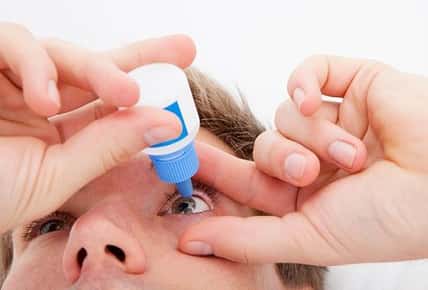
    person using eye drops

    Treatment for glaucoma often begins with medicated eye drops. The goal of these medications is to lower the pressure in the eye (intraocular pressure) and prevent damage to the optic nerve.

    To gain the most benefits of these medications, use them exactly as prescribed by your eye doctor. Sometimes your doctor may prescribe more than one type of eye drop. In this case, check with your doctor about how long to wait between using each kind.

    Side Effects of Medicated Eye Drops

    Although eye drops for glaucoma can help save your vision, all of these medications have some side effects. In addition, some of the medication may be absorbed into the bloodstream, which can cause side effects that affect body parts other than your eyes.

    The most common side effects of medicated eye drops include:

    • Redness of the eyes or skin around the eyes
    • An itching or stinging sensation
    • Blurred vision
    • Changes in the color of your eyes, the skin around your eyes or the appearance of your eyelid
    • Growth of your eyelashes
    • Changes in your heartbeat or pulse
    • Changes in your energy level
    • Breathing changes, especially if you have asthma or other lung conditions
    • Dry mouth

    If you experience any of these side effects, tell your eye doctor. Do not stop taking your medicated eye drops unless you have spoken with your doctor. Using these eye drops as directed is the best way to help save your vision.

    Types of Medicated Eye Drops

    Your doctor may prescribe one or more type of eye drop. Some of the most common ones include:

    • Prostaglandins. These help reduce the pressure in your eye and increase the flow of fluid out of the eye.
    • Beta blockers. Beta blockers help decrease the pressure in the eye and how much fluid is made in the eye.
    • Alpha-adrenergic agonists. With this type of eye drop, you can increase the flow of fluid out of the eye and reduce how much fluid is made in the eye.
    • Carbonic anhydrase inhibitors. These are used to reduce how much fluid is made in the eye. These types of eye drops are not used very often.
    • Miotic or cholinergic agents. Using this type of eye drop helps increase the flow of fluid out of the eye.

    If you have a family history of glaucoma or are noticing problems with your vision, contact your ophthalmologist immediately for an appointment. He or she can help diagnose your vision problem and suggest appropriate treatment options.

    • Common Eye Conditions
      • Age-Related
      • Cognitive and Acquired
      • Vision Impairment
      • Injury & Irritation
      • Eye Lids
      • Changes in Appearance
    • Contact Lenses
    • Eye Diseases
    • Eyeglasses
      • Eyeglass Lenses
    • Eye Symptoms
    • How the Eyes Work
      • Basic Visual Skills
    • Pediatric Vision
    • Protecting Your Eyes
    • Visual Rehabilitation
    • Vision Problems
    • What is Vision Therapy
    • Vision Therapy Programs
    • We Can Help With
      • Cataracts
      • Corneal Disorders
        • Disorders
      • Glaucoma
      • Refractive Disorders
      • Adult Strabismus
      • Retinal Disorders
    • Newsletters
      • Glasses & Frames
      • Contacts
      • Tips for Healthy Eyes
      • Conditions That Affect Vision
      • Kid's Vision
      • Amazing, Interesting Eyes
      • Medical Perspectives

    Hours of Operation

    Our Regular Schedule - By appointment only due ot COVID-19

    Monday:

    By Appointment Only

    8:00 AM-7:00 PM

    Tuesday:

    By Appointment Only

    8:00 AM-6:00 PM

    Wednesday:

    By Appointment Only

    8:00 AM-6:00 PM

    Thursday:

    By Appointment Only

    8:00 AM-6:00 PM

    Friday:

    By Appointment Only

    8:00 AM-2:00 PM

    Saturday:

    By Appointment Only

    8:00 AM-2:00 PM

    Sunday:

    Closed

    Location

    Find us on the map

    • Copyright © 2026 MH Sub I, LLC dba iMatrix.
    • Admin Log In
    • Site Map