Would you like to switch to the accessible version of this site?

Go to accessible site Close modal window

Don't need the accessible version of this site?

Hide the accessibility button Close modal window
Accessibility View Close toolbar
  • Home
  • New Patient Center
    • Online Forms
  • Eyecare Services
    • Contact Lens Exams
    • Eye & Vision Exams
    • Lasik Eye Surgery
  • Frame Selection
  • Insurance & Payments
  • About Us
    • Meet The Optometrists
    • Meet The Staff
  • Contact Us
  • Whats New
  • Community Content
    • Common Eye Conditions
      • Age-Related
      • Cognitive and Acquired
      • Vision Impairment
      • Injury & Irritation
      • Eye Lids
      • Changes in Appearance
    • Contact Lenses
    • Eye Diseases
    • Eyeglasses
      • Eyeglass Lenses
    • Eye Symptoms
    • How the Eyes Work
      • Basic Visual Skills
    • Pediatric Vision
    • Protecting Your Eyes
    • Visual Rehabilitation
    • Vision Problems
    • What is Vision Therapy
    • Vision Therapy Programs
    • We Can Help With
      • Cataracts
      • Corneal Disorders
        • Disorders
      • Glaucoma
      • Refractive Disorders
      • Adult Strabismus
      • Retinal Disorders
    • Newsletters
      • Glasses & Frames
      • Contacts
      • Tips for Healthy Eyes
      • Conditions That Affect Vision
      • Kid's Vision
      • Amazing, Interesting Eyes
      • Medical Perspectives
Enfield Eye Care Associates

(860) 749-0757

Menu
No social media links found. Please configure it

(860) 749-0757

CALL (860) 749-0757 TO MAKE AN APPOINTMENT.

Fill out the form below to sign up for our email list.

Error!

    • Home >
    • Articles >
    • Eye Symptoms >
    • Swollen Eyelids

    Swollen Eyelids

    • Created in Eye Symptoms

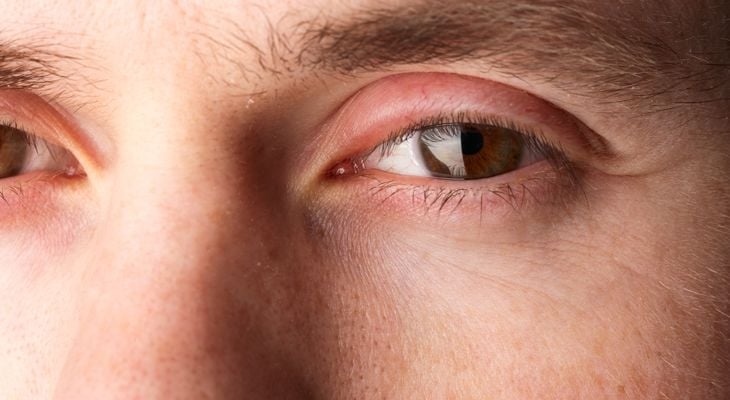
    Swollen eye

    Swollen eyelids are a fairly common eye condition caused by inflammation or excess fluid in the connective tissues surrounding the eye. Depending on the cause, swollen eyelids can be painful or not painful and affect the upper eyelid, the lower eyelid, or both. Swollen eyes can be caused by many different factors, including allergies, styes, a blocked gland, traumatic eye injury, and conjunctivitis (“pink eye”).

    Causes of Swollen Eyelids

    In some cases, swollen eyelids may be symptomatic of a bigger health problem, such as orbital cellulitis (a sudden infection of the tissue surrounding the eye), Graves' disease (an autoimmune eye disorder associated with abnormalities of the thyroid gland), and ocular herpes (a recurrent viral infection that can cause inflammation and scaring of the cornea). In general, swollen eyelids are accompanied by symptoms such as itching or scratching sensations, excessive tear production resulting in watery eyes, obstructed vision, redness of the eyelid, eye discharge, and eyelid dryness or flaking. Pain generally accompanies swollen eyelids that are caused by an infection.

    Many people also use the term “puffy eyes” interchangeably with swollen eyelids. However, for medical professionals, swollen eyes are generally used to describe an immune system response to an allergy, infection, or injury. Puffy eyes typically refer to eyes that are swollen from external reasons, such as water retention, a lack of sleep, or even genetic traits like dark circles under the eyes.

    Eye allergies are the most common cause for swollen eyes. In this case, the swollen eyes are symptomatic of the body’s overreaction to a foreign substance, known as an allergen. Common allergens that can trigger swollen eyes include pollen, dust and pet dander. Some types of contact solution and eye drops may also trigger an allergic reaction in certain individuals.

    Diagnosis and Treatment

    The treatment of swollen eyes depends on the cause. Generally, if eyes are swollen due to allergies, antihistamine drops or oral allergy medication will be an effective treatment. For severe allergic reactions, an eye care professional may also recommend mild steroid drops. Ocular herpes and conjunctivitis are treated with anti-viral medications or anti-inflammatory eye drops, ointments, or antibiotics.

    For at home care, remove contact lenses (if you wear them) until the swelling stops. Applying a cool compress can relieve swelling and pain. Most importantly, do not rub the eyes as this will only aggravate the condition. Contact an eye care professional should conditions worsen or pain intensify, in order to rule out the possibility of a more serious cause for this pain.

    • Common Eye Conditions
      • Age-Related
      • Cognitive and Acquired
      • Vision Impairment
      • Injury & Irritation
      • Eye Lids
      • Changes in Appearance
    • Contact Lenses
    • Eye Diseases
    • Eyeglasses
      • Eyeglass Lenses
    • Eye Symptoms
    • How the Eyes Work
      • Basic Visual Skills
    • Pediatric Vision
    • Protecting Your Eyes
    • Visual Rehabilitation
    • Vision Problems
    • What is Vision Therapy
    • Vision Therapy Programs
    • We Can Help With
      • Cataracts
      • Corneal Disorders
        • Disorders
      • Glaucoma
      • Refractive Disorders
      • Adult Strabismus
      • Retinal Disorders
    • Newsletters
      • Glasses & Frames
      • Contacts
      • Tips for Healthy Eyes
      • Conditions That Affect Vision
      • Kid's Vision
      • Amazing, Interesting Eyes
      • Medical Perspectives

    Hours of Operation

    Our Regular Schedule - By appointment only due ot COVID-19

    Monday:

    By Appointment Only

    8:00 AM-7:00 PM

    Tuesday:

    By Appointment Only

    8:00 AM-6:00 PM

    Wednesday:

    By Appointment Only

    8:00 AM-6:00 PM

    Thursday:

    By Appointment Only

    8:00 AM-6:00 PM

    Friday:

    By Appointment Only

    8:00 AM-2:00 PM

    Saturday:

    By Appointment Only

    8:00 AM-2:00 PM

    Sunday:

    Closed

    Location

    Find us on the map

    • Copyright © 2026 MH Sub I, LLC dba iMatrix.
    • Admin Log In
    • Site Map