
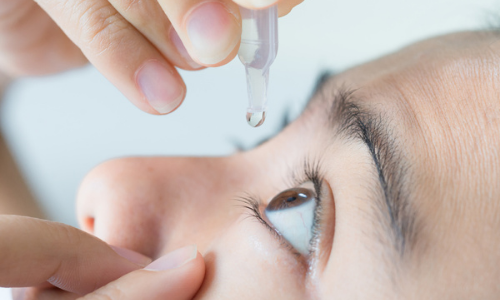
How Cold Weather Affects Your Eyes
Have you noticed that your eyes become dry, itchy, or red when the temperature drops and cold winds blow? Winter weather can increase your risk of developing these four eye complaints.
1. Dry Eye
A layer of tears normally keeps your eyes moist and lubricated. Exposure to windy conditions and hot air can cause tears to evaporate, leaving your eyes dry and gritty. Other dry eye symptoms can include redness, pain, blurry vision, burning, itching, stringy discharge, discomfort when reading or using digital devices, or the feeling that's something stuck in your eye. Wind and hot air from your home or vehicle's heating system may also make your contact lenses feel dry and uncomfortable.
If dry eye is a constant problem for you no matter what the season, the natural drop in humidity during the winter months may only worsen the problem.
Fortunately, you can ease the pain of dry eyes by:
- Using Over-the-Counter Liquid Tears or Rewetting Drops if You Wear Contacts
- Wearing Glasses or Sunglasses on Windy Days
- Taking Omega-3 Fish Oil Supplements
- Running a Humidifier to Increase Humidity Inside
- Drinking More Liquids
- Blinking Often
- Avoiding Sitting or Working Near a Vent, Register, or Radiator
- Taking a Break from Your Laptop or Digital Device Every Few Hours
- Visiting Your Optometrist if Dry Eye Symptoms Continue
2. Too Many Tears
As strange as it may seem, watery eyes can actually be related to dry eye. When your eyes are dry, your body reacts by producing more tears in an attempt to remedy the problem. All of the tips mentioned above can be helpful if you notice that your eyes are often watery during cold weather.
3. Red, Itchy Eyes
Redness and itching can also be symptoms of allergies. Although seasonal allergens like pollen and grasses may no longer be a problem, you might still suffer from symptoms if you're allergic to dust mites, pet dander, or mold.
Since you spend more time indoors during the winter, your exposure to these substances increases, triggering eye symptoms. Harvard Health Publishing notes that allergens can be spread throughout your home by your furnace.
Improving your eye comfort can be as simple as:
- Covering Bedding in Washable Dust Mite Covers
- Vacuuming or Mopping Floors Often
- Brushing Pets Outdoors if It's Not Too Cold
- Replacing Pillows or Bedding That Contains Down or Feathers with Down-Alternative Products
- Keeping Pets Out of Your Bedroom
- Changing Sheets and Pillowcases Regularly
- Taking Allergy Medication and Using Eye Drops to Relieve Symptoms
- Changing Your Furnace Filter
4. Photokeratitis
If your eyes are red and painful after spending time outdoors, photokeratitis could be the cause. The condition may be more likely to occur if you spend time around snow and ice without wearing eye protection. Because both of these substances reflect the sun's rays, your corneas (the clear tissues over your irises and pupils) and the conjunctiva (the membrane that covers the white parts of your eye and the insides of your eyelids) can become sunburned.
In addition to pain and redness, other symptoms of photokeratitis may include light sensitivity, halos around lights, blurred vision, tearing, headaches, twitching eyelids, or a foreign body sensation.
Fortunately, photokeratitis usually goes away on its own. If the symptoms linger more than a day or two, you're in severe pain, or you're having trouble seeing, call your optometrist. In the future, you can prevent photokeratitis by wearing sunglasses or goggles that block both ultraviolet A and B (UVA and UVB) rays. Donning sunglasses or goggles year-round may also reduce your risk of cataracts and skin cancer in and around your eyes.
Are you struggling with dry eye or other eye issues because of the cold weather? We can help ease your discomfort. Contact the office to schedule your appointment.
Sources:
American Optometric Association: Winter is coming: Help Patients Combat Dry Eye, 12/14/17
American Academy of Ophthalmology: What is Photokeratitis — Including Snow Blindness?, 1/13/20
Harvard Health Publishing: How Can I Reduce Symptoms from My Winter Allergies?, 12/19